
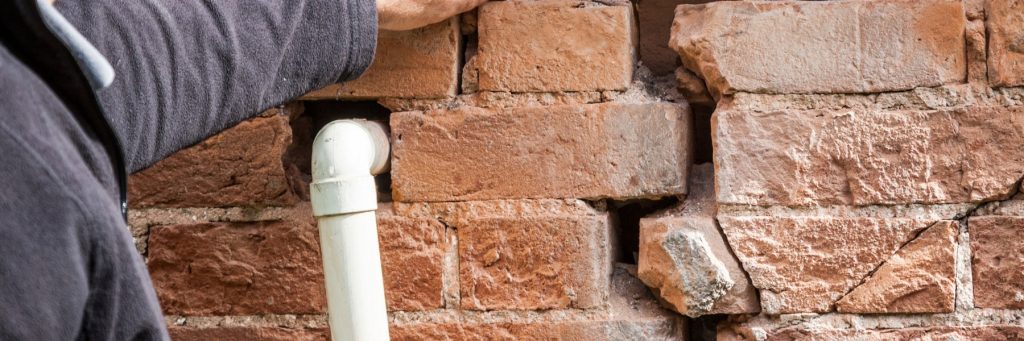
What Is Hydrostatic Pressure?
Hydrostatic pressure is the force exerted by water when it accumulates in the soil behind a structural barrier or retaining wall. When heavy rain falls or snow melts, the ground becomes saturated, and the weight of the trapped water increases dramatically.
Soil that is saturated with water can weigh more than double its dry weight, placing immense lateral pressure on the back of the wall. If this water has no way to escape, it will push against the structure, causing it to lean, crack, or slide forward.
Hydrostatic pressure is the single most common cause of retaining wall failure, far exceeding failures caused by poor material quality. Understanding and managing this invisible force is essential for anyone planning to build a structural barrier.
The Importance of Gravel Backfill
The key to managing water behind a wall is replacing dense, water-retaining clay soil with clean, free-draining gravel backfill. This gravel zone should extend at least twelve inches behind the wall, running from the base of the footing up to near the top.
Gravel provides a path of least resistance, allowing water to flow downward quickly rather than building up pressure against the wall face. It also prevents the native clay soil from washing through the joints and staining or destabilizing the masonry.
Skipping or reducing the amount of gravel backfill to save on material costs is a critical mistake that significantly shortens the lifespan of the structure. High-quality construction requires meticulous attention to these hidden structural components.
Implementing Perforated Drain Pipes and Weep Holes
Once water flows downward through the gravel backfill, it must be directed away from the base of the wall to prevent pooling. A perforated drain pipe, wrapped in filter fabric to prevent clogging, should be installed at the footing level of the wall.
This pipe collects the water and channels it to a designated discharge point away from the wall and other nearby structures. For some walls, weep holes—small openings built into the lower face of the wall—are also used to allow trapped water to escape directly.
Proper installation of these drainage components ensures that water is managed efficiently and never has the chance to accumulate. At Schabbazi LLC, a Licensed & Insured contractor, we design comprehensive drainage solutions for every project we undertake.
Maintaining Your Drainage System Over Time
To keep your structural barriers performing optimally for decades, it is important to periodically inspect the drainage discharge points. Ensure that weep holes and drain pipe outlets remain free of debris, leaves, soil, and small animal nests.
If you notice water pooling at the base of the wall or damp spots on the wall face long after a storm has passed, the drainage system may be clogged. Addressing these issues early can prevent the buildup of damaging hydrostatic pressure and prolong the life of the wall.
Investing in professional design and construction is the best way to ensure your Retaining Walls are built with a reliable, long-lasting drainage system. If you are planning a hardscaping project in Bennington, contact us today to discuss how we can help protect your landscape.